
14
Results for “-
With the gradual implementation of e-invoicing by the Inland Revenue Board of Malaysia / Lembaga Hasil Dalam Negeri (IRBM), businesses across the country are adapting to a digital invoicing system. This shift promises benefits such as improved efficiency and compliance but also presents several challenges. This article outlines common issues faced during the transition to…
-
Malaysia is moving towards implementing e-invoicing to streamline invoicing processes, enhance tax compliance, and support the digital economy. This article provides a comprehensive overview of e-invoicing FAQs, exemptions, and technical aspects, helping Small and Medium Enterprises (SMEs) and Multinational Corporations (MNCs) prepare for this significant transition. Table of Contents Key FAQs About Implementation of e-invoicing…
-

Starting January 1, 2025, the Inland Revenue Board of Malaysia (LHDN) has introduced a new feature on its MyTax portal, enabling individuals and businesses to verify taxpayer’s Tax Identification Numbers (TIN) online. This TIN search service supports the government’s initiative to enhance tax administration and facilitate the implementation of electronic invoicing (e-Invoices). What exactly is…
-
![Consolidated e-Invoice Guide: Interim Relaxation Period for Malaysian Businesses [Updated in Jan 2025]](https://wp-dev.taxpod.com.my/wp-content/uploads/2024/12/Consolidated-e-Invoices-Featured-Stock-Image.webp)
Ever notice how the Inland Revenue Board of Malaysia (IRBM) loves to drop the latest updates on a Friday night? It always means overtime for us to catch up! Based on the media release published on 26 July 2024, the IRBM has announced flexibility for taxpayers to issue consolidated e-Invoice for six months starting from…
-
![How to Submit Consolidated e-Invoice via MyInvois Portal in Malaysia [Update 2025]](https://wp-dev.taxpod.com.my/wp-content/uploads/2024/09/Step-by-Step-Guide-Issuing-Consolidated-e-Invoice-via-MyInvois-Portal.webp)
What Is a Consolidated e-invoice? To assist the Suppliers in complying with e-Invoice requirements and to reduce the burden on both Suppliers and Buyers, the Inland Revenue Board (IRB) allows the Suppliers to consolidate the transactions with Buyers (who do not require an e-Invoice) into a consolidated e-Invoice on a monthly basis. Suppliers will be…
-
What is MyTax and MyInvois Portal Testing Environment? In recent years, Malaysia has been advancing its digital economy through various initiatives, one of which is the e-invoicing implementation. Starting August 2024, e-invoicing will become mandatory for businesses with an annual turnover exceeding RM100 million, and is now required by law, as mandated by the regulations…
-
![What are the 5 Types of e-invoice in Malaysia [Latest Update 2025]](https://wp-dev.taxpod.com.my/wp-content/uploads/2024/08/Every-Type-of-e-Invoice-Featured-Stock-Image.webp)
1. e-Invoice An e-Invoice is the digital equivalent of a traditional paper invoice. It is an electronic document that outlines the details of a transaction between a buyer and a seller. The primary difference between an e-Invoice and a physical invoice is the format. Key features of an e-Invoice typically include: (A sample visual representation…
-
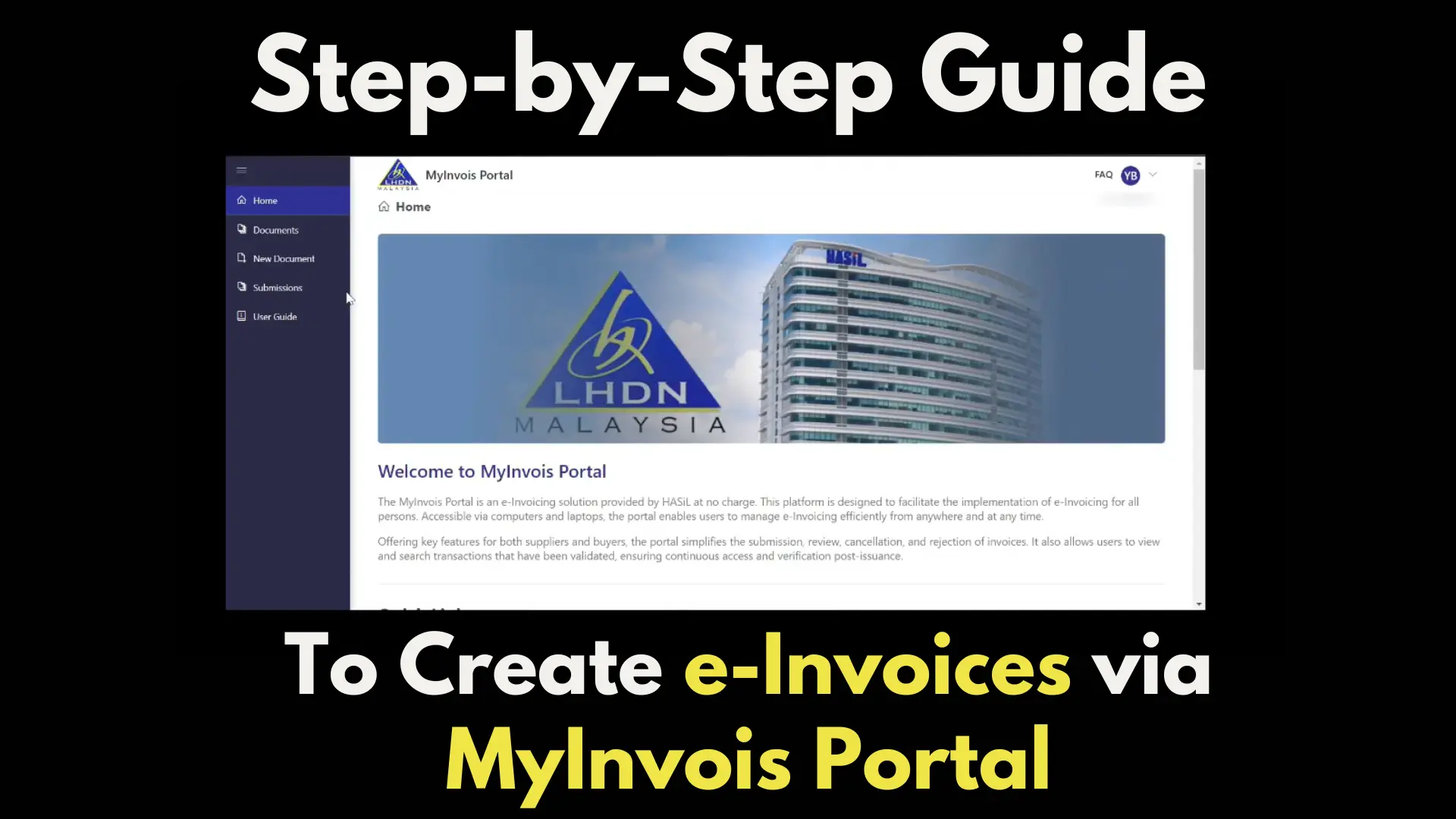
What is MyTax and MyInvois Portal Testing Environment? The MyTax and MyInvois Portal Testing Environments are crucial tools for taxpayers looking to familiarize themselves with Malaysia’s digital tax systems without affecting their actual data. The MyTax Portal Testing Environment provides a safe space to explore the features and functionalities of the MyTax Portal, including the…
-
In recent years, Malaysia has made significant strides in modernizing its tax administration system. One of the pivotal steps in this direction is the introduction of e-invoicing. The implementation of e-invoicing in Malaysia is now required by law, as mandated by the regulations issued by the Inland Revenue Board of Malaysia (IRB), or Lembaga Hasil…